

As Germany grapples with an ageing workforce and a shrinking pool of young workers, the country is increasingly turning to India to fill critical skill gaps.
There are not enough young workers within Germany to step into roles left vacant by retiring staff. As a result, recruiters and industry bodies are widening their search, with India emerging as a key source of talent.
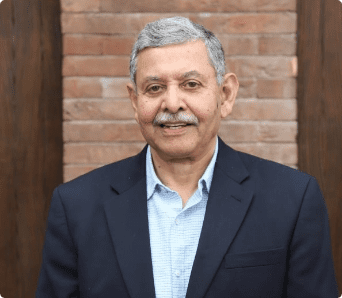
For Handirk von Ungern-Sternberg, a German economist and Managing Director of IndiaWorks, that shift began with a single email.
It landed in his inbox in February 2021, sent by a contact in India. “We have lots of young, motivated people looking for vocational training and we’re wondering if you’re interested,” he told the BBC on Sunday.
At the time, von Ungern-Sternberg was working with the Freiburg Chamber of Skilled Crafts in southwest Germany, which represents trades ranging from bricklayers and carpenters to bakers and butchers.
The timing was crucial. “We had a lot of desperate employers, who couldn’t find anyone to work for them,” he said. “So we decided to give it a chance.”
A widening labour gap
Germany’s labour shortage is tied to long-term demographic shifts. As the baby boomer generation retires, fewer young people are entering the workforce due to low birth rates.
A 2024 study by the Bertelsmann Foundation found the country needs about 288,000 foreign workers each year. Without that, the workforce could shrink by 10% by 2040.
India, by contrast, has a large and young workforce, making it a natural partner.
Policy shifts ease entry for Indians
Recent policy changes have made it easier for Indian professionals to move to Germany.
< The Migration and Mobility Partnership Agreement signed in 2022 created smoother pathways for skilled workers
< In late 2024, Germany increased its skilled work visa quota for Indians from 20,000 to 90,000 annually
< Official figures show Indian workers rose from 23,320 in 2015 to 136,670 in 2024
IndiaWorks alone expects to bring 775 young Indians to Germany for apprenticeships in 2026, according to a report by BBC.
Higher pay and clearer pathways
A January 2026 study by Handelsblatt found Indian workers in Germany earned around 29% more than German counterparts in 2024.
The median gross monthly income stood at €5,393 (Rs 568,900) for Indians, compared with €4,177 (Rs 434,000) for Germans.
For many, that pay gap, combined with limited opportunities at home, is a strong pull factor.
At the same time, immigration routes in countries such as the United States, United Kingdom, Canada and Australia have become more restrictive or uncertain.
“While countries like the US, UK, Canada, and Australia are refining their immigration systems, Germany is taking a more targeted approach in key sectors like healthcare, where the shortage of nurses is long-term and driven by an aging population,” Mayank Kumar, CEO and Co-Founder, BorderPlus told Business Standard.
“For Indians, especially nurses, this creates a more predictable pathway. Instead of uncertain or competitive visa routes, you have a system where the demand is clear, the process is structured, need for talent is ongoing and there’s a defined path to long-term residency,” he said.
“So the opportunity isn’t just that Germany is open, it’s that it offers a more stable and transparent way to build a long-term career abroad,” he added.
Economic need driving policy
German policymakers have also been direct about the need for migration.
“Germany must bring in more foreign workers to maintain its economic strength,” said Joachim Nagel, President of the Bundesbank, during an event in New York in October 2025.
“We are an ageing society in most of the countries and Germany is one of these countries,” he said. “We have to have immigration in Europe, because otherwise we are losing a lot of economic power.”
Germany’s Ambassador to India, Dr Philipp Ackermann, has also encouraged Indian professionals to consider working in the country.
“Here is my call to all highly skilled Indians,” Ackermann wrote on X in September. “Germany stands out with its stable migration policies, and with great job opportunities for Indians in IT, management, science and tech.”
In a video message, he added: “The average Indian working in Germany earns more than the average German. Because a high salary means Indians are contributing big time to our society and our welfare. We believe in hard work and giving the best jobs to the best people.”